
menu

Apartment Complex Roofing in Pittsburgh – Minimize Downtime and Protect Your Investment

Victory Roofing Pittsburgh delivers apartment complex roofing solutions that keep your multi-family properties operational, compliant with local codes, and protected from Pittsburgh's demanding climate without disrupting your tenants or revenue stream.

Slider Image 1
Slider Image 2
Slider Image 3
Slider Image 4
Slider Image 5
Slider Image 7
Slider Image 8
Slider Image 9
Slider Image 10
Slider Image 11

Why Pittsburgh Apartment Buildings Face Unique Roofing Challenges

Pittsburgh's freeze-thaw cycles and industrial air pollutants accelerate roof degradation on multi-family housing faster than most property managers anticipate. When temperatures swing from 15°F in January to 85°F in July, your roofing membranes expand and contract repeatedly. This constant movement creates stress points at seams, flashing, and penetrations where HVAC units sit.

The city's hilly terrain compounds drainage issues on apartment building roofing systems. Water pools in low spots, especially on older flat or low-slope commercial roofs common in neighborhoods like Shadyside and Squirrel Hill. Those standing water problems lead to membrane delamination and eventual interior leaks that disrupt tenant comfort and trigger liability concerns.

Pittsburgh's strict building codes for multi-unit roofing services require fire-rated assemblies and specific insulation R-values that vary by structure height and occupancy classification. Many older multifamily properties in Lawrenceville or the South Side were built before current energy codes took effect. When you replace or retrofit these systems, you must bring them up to compliance, which affects material selection and installation methodology.

Property owners also face timing constraints. You cannot shut down an entire apartment complex for weeks while contractors work. Multifamily roofing projects require phased execution that maintains habitability, protects tenant vehicles in parking areas, and coordinates around lease cycles to minimize vacancy impact. The wrong contractor will cost you more in lost rent than the roof itself.

Why Pittsburgh Apartment Buildings Face Unique Roofing Challenges
How Commercial Apartment Roofing Systems Protect Your Asset Long-Term

How Commercial Apartment Roofing Systems Protect Your Asset Long-Term

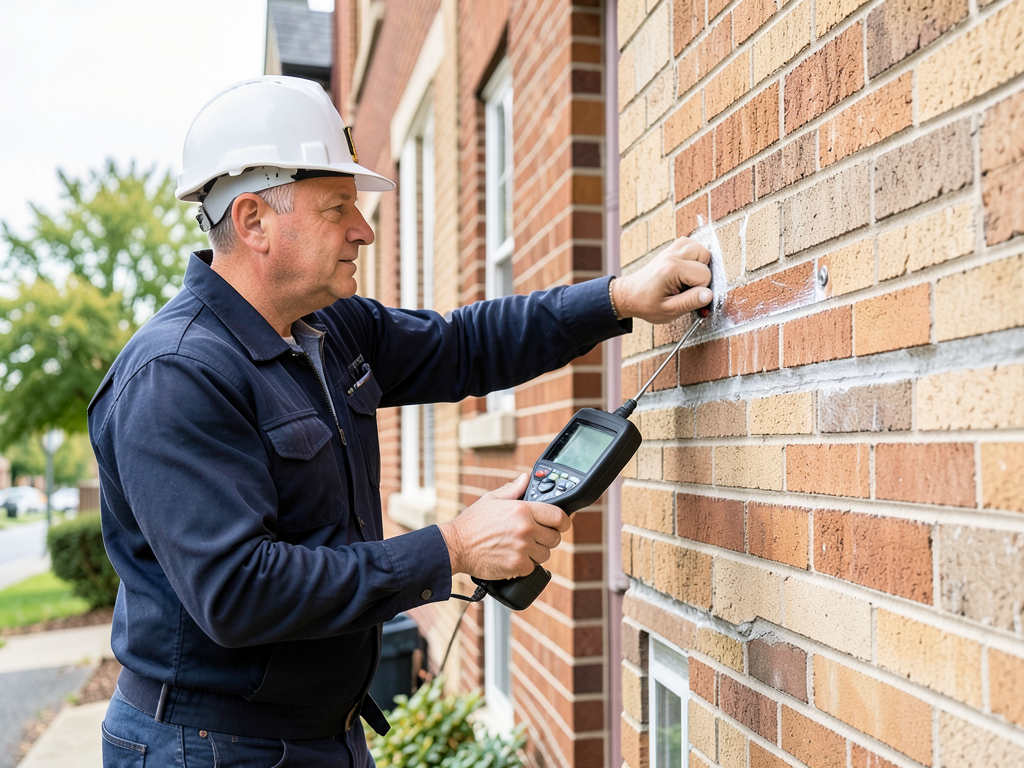
We approach multi-family housing roofing as an asset protection strategy, not a simple replacement project. Our process starts with infrared thermography to map subsurface moisture in your existing roof assembly. This technology identifies wet insulation that reduces R-value and adds unnecessary weight to your structure. We document these findings with thermal images that support your capital planning and help justify the scope to your ownership group or board.

Material selection for apartment building roofing depends on your building's structural load capacity, existing drainage infrastructure, and tenant occupancy patterns. We spec TPO, EPDM, or modified bitumen systems based on your roof deck type and whether your building can support additional insulation layers required by current energy codes. For buildings with parapet walls and internal drains common in Pittsburgh's urban multifamily stock, we design crickets and tapered insulation systems that eliminate ponding water within 48 hours of rainfall.

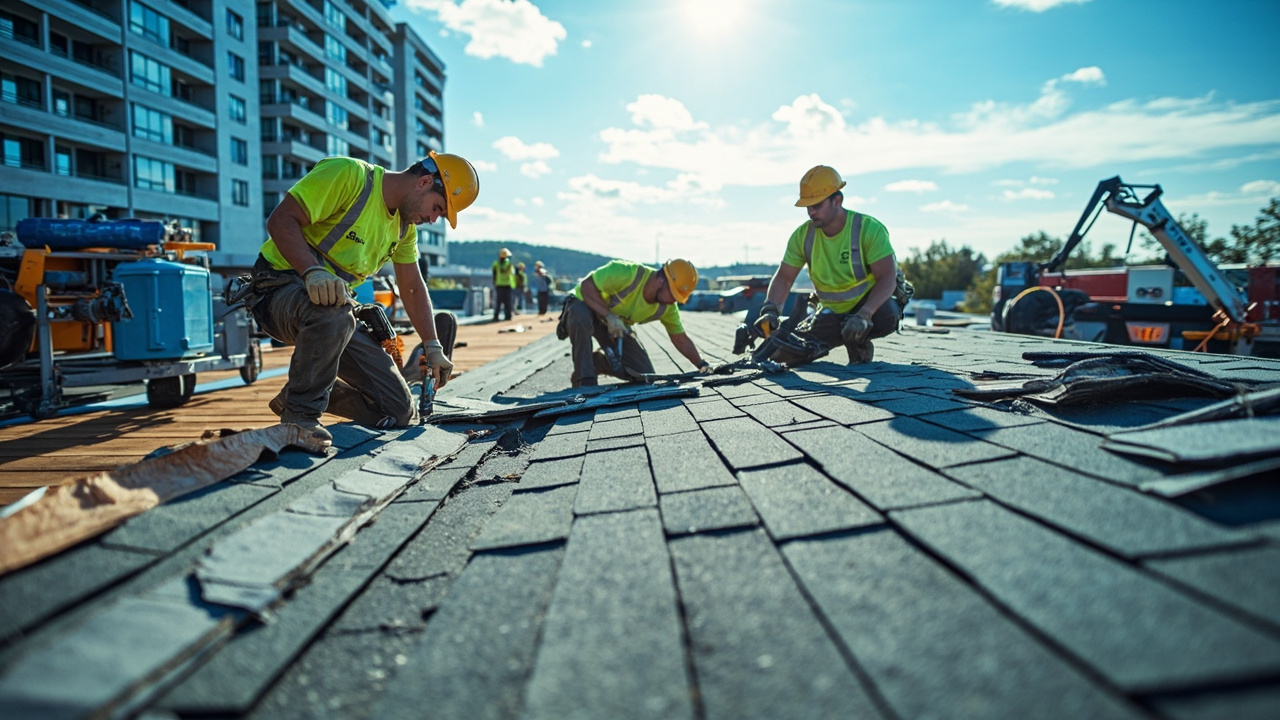
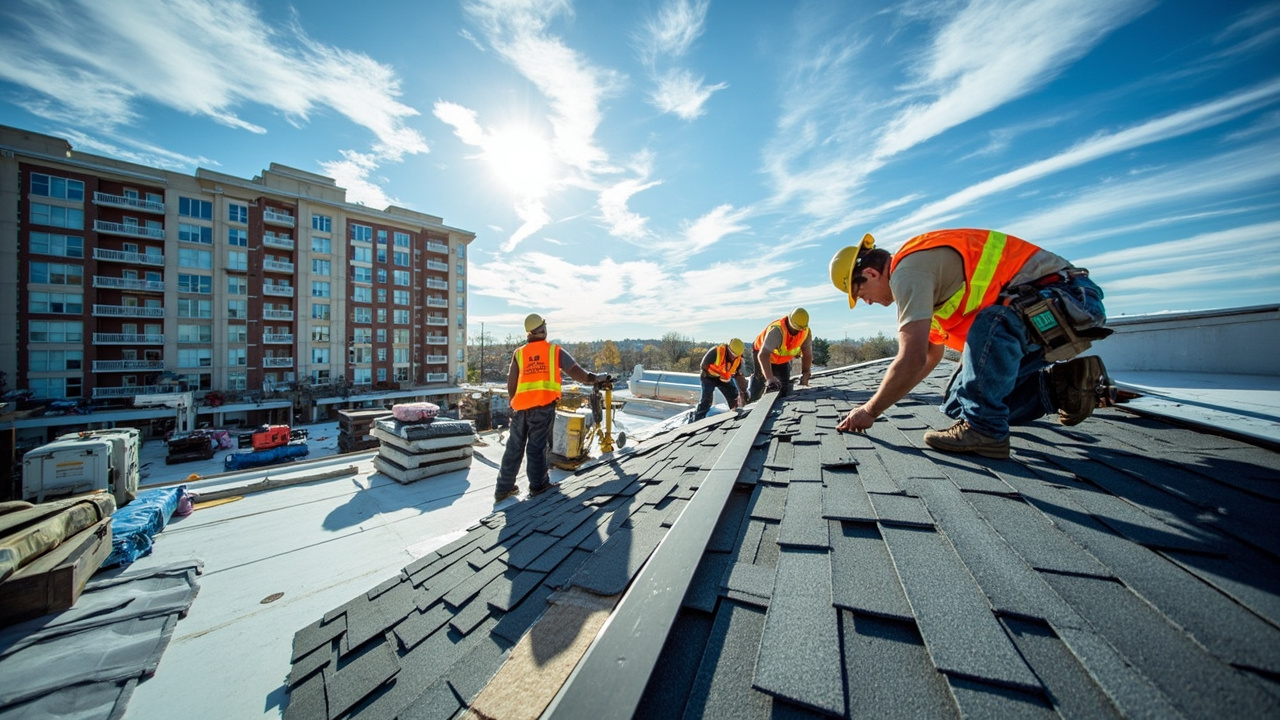
Our installation crews work in sections to maintain building operations. We coordinate with your property management team to schedule noisy work during business hours when most tenants are away. We establish debris chutes and protection zones in parking lots to prevent damage to tenant vehicles. Each evening, we make the work area watertight with temporary tie-ins so your building stays protected even during multi-week projects.

We also address the penetrations that cause most apartment complex roofing failures. Vent stacks, HVAC curbs, and satellite dishes create dozens of potential leak points. We replace all pipe boots, install factory-fabricated metal flashing at equipment curbs, and seal every penetration with compatible sealants rated for your membrane type. This attention to detail prevents the callback leaks that erode your ROI.

Our Apartment Complex Roofing Implementation Process

Apartment Complex Roofing in Pittsburgh – Minimize Downtime and Protect Your Investment
01

Building Assessment and Tenant Coordination

We perform a complete roof inspection using core samples to verify existing assembly construction and moisture surveys to map problem areas. Our team meets with your property manager to establish work schedules that minimize tenant disruption and coordinates with maintenance staff to ensure roof access remains clear. We provide written documentation of existing conditions with photographic evidence and create a phased work plan that maintains building operations throughout the project duration.
02

Phased Installation and Protection

We section your roof into manageable areas, typically 5,000 to 10,000 square feet, depending on building layout and access points. Each section gets stripped, insulation replaced where moisture testing indicated problems, and new membrane installed to completion before we move to the next area. We install temporary barriers around work zones, protect landscaping and parking areas with plywood walkways, and make each section watertight at the end of every work day to prevent weather-related damage.
03

System Testing and Documentation

After installation, we flood-test all drains and conduct pull tests on membrane seams to verify they meet manufacturer specifications for warranty activation. You receive a complete roof drawing showing all penetrations, drains, and membrane tie-in locations for future maintenance reference. We provide digital documentation including pre-installation conditions, progress photos, and final completion images that support your asset management records and help document capital improvements for your investors or ownership group.

Why Property Managers Choose Victory Roofing Pittsburgh for Multi-Unit Projects

We understand the operational realities of apartment complex management in Pittsburgh. Your tenants expect uninterrupted service. Your ownership group demands cost control. Your insurance carrier requires code compliance. We balance all three by treating your roofing project as a business continuity challenge, not just a construction job.

Our crews have completed multi-family housing roofing projects across Pittsburgh's diverse building stock, from pre-war brick structures in Bloomfield to modern wood-frame developments in East Liberty. This experience means we anticipate structural issues before they cause delays. When we strip an old built-up roof and find deteriorated deck boards, we have the carpentry capability on-site to make repairs immediately rather than stopping work while you source another contractor.

We also maintain relationships with local building inspectors and understand Pittsburgh's permit requirements for commercial roofing work. We handle all permitting, schedule required inspections, and ensure your project passes review without delays that extend your construction timeline. For projects requiring Planning Commission approval in historic districts like Mexican War Streets, we prepare the necessary documentation and attend meetings on your behalf.

Our material suppliers are local, which matters when you need replacement components years after installation. If a storm damages a section of your roof, we can source matching membrane and flashing materials quickly rather than waiting for special orders from distant warehouses. This local supply chain also means better pricing on large multifamily roofing projects where material costs represent 40 to 50 percent of total project expenses.

Most importantly, we provide transparent communication throughout your project. You receive weekly progress reports with photos, updated timelines, and any change order documentation before additional work proceeds. Your property manager gets our direct contact information for tenant concerns, and we respond to issues the same day they arise.

What to Expect from Your Apartment Complex Roofing Project

Project Timeline and Scheduling

A typical 20-unit apartment building requires three to five weeks for complete roof replacement, depending on weather and existing conditions. Larger complexes with multiple buildings take longer but we phase work to complete one building at a time, minimizing the duration of construction impact on any single group of tenants. We schedule tear-off and noisy work between 9 AM and 5 PM on weekdays when most residents are at work. Final details like flashing and sealant application happen during quieter hours. Weather delays are common in Pittsburgh's unpredictable climate, but our phased approach means we can pause one section and resume quickly when conditions improve without leaving your entire building exposed.

Initial Roof Evaluation and Scope Development

We start with a comprehensive roof inspection that goes beyond visual assessment. Our technicians cut test cores to verify your existing assembly construction and use infrared cameras to map moisture intrusion. This diagnostic work happens quickly, usually within a few hours, and we provide you with a detailed report including thermal images, core sample photos, and measurements of your roof area. We identify all penetrations, evaluate your drainage system capacity, and note any structural concerns that might affect installation. You receive a written scope of work with material specifications and a project timeline before any commitments are required.

Final System Performance

Your completed roof will meet or exceed current Pittsburgh building codes for fire resistance, wind uplift, and thermal performance. All seams will be welded or adhered to manufacturer specifications, creating a monolithic membrane that prevents water intrusion at vulnerable points. Your new drainage system will evacuate water within 48 hours of rainfall, preventing the ponding issues that degrade roof membranes prematurely. You will see improved energy efficiency as new insulation layers reduce heat transfer through your roof assembly, lowering HVAC costs for your building. Most importantly, you gain predictable performance for 15 to 25 years, depending on your selected system.

Warranty Coverage and Maintenance Programs

We provide manufacturer warranties on materials and workmanship coverage on installation. The specific terms depend on your selected roofing system, but most TPO and EPDM membranes carry 15 to 20-year material warranties when installed according to manufacturer specifications. We register your warranty directly with the manufacturer and provide you with all documentation for your property files. We also offer annual maintenance inspections that preserve your warranty coverage and catch small issues before they become expensive problems. These inspections include drain cleaning, sealant touch-up, and documentation of your roof condition for your asset management records.

Frequently Asked Questions

You Have Questions,
We Have Answers

What type of roof do apartment buildings have? +

Most apartment buildings in Pittsburgh feature flat or low-slope roofing systems. Common materials include TPO, EPDM rubber membrane, modified bitumen, and built-up roofing (BUR). Low-slope roofs manage Pittsburgh's heavy rainfall and snow loads while providing cost-effective coverage for large square footage. The choice depends on building height, occupancy requirements, and budget. Older Pittsburgh complexes may still have tar and gravel systems, while newer properties typically use single-ply membranes like TPO for better energy efficiency and easier maintenance. Your roof type affects insurance rates, tenant comfort, and long-term operating costs.

How much should a 2000 sq ft roof cost? +

For commercial apartment roofing in Pittsburgh, square footage alone does not determine cost. A 2000 square foot section on a multi-unit building involves different factors than residential work. You must account for membrane type, roof accessibility, existing damage, code compliance upgrades, and building height. Commercial-grade TPO or EPDM systems require proper drainage, flashing details, and often fire-rated assemblies. Pittsburgh's freeze-thaw cycles demand quality installation to prevent leaks. Focus on cost per square (100 sq ft), warranties, and minimizing tenant disruption rather than total project size when budgeting for apartment roofing.

How often do apartment roofs need to be replaced? +

Apartment roofs in Pittsburgh require replacement every 15 to 30 years depending on material and maintenance. TPO and EPDM membranes typically last 20 to 25 years with proper upkeep. Modified bitumen systems average 15 to 20 years. Built-up roofing can reach 30 years if maintained correctly. Pittsburgh's harsh winters, heavy snow loads, and temperature swings accelerate wear. Deferred maintenance shortens lifespan. Schedule biannual inspections to catch drainage issues, membrane splits, and flashing failures early. Proactive repairs extend replacement intervals and protect your investment while avoiding emergency situations that disrupt tenants.

How to tell if a roofer is lying? +

Watch for red flags during apartment roofing evaluations. A dishonest contractor pressures immediate decisions, avoids written estimates, or cannot provide commercial references in Pittsburgh. Be cautious if they recommend full replacement without documenting existing damage through photos or moisture scans. Verify they carry commercial general liability and workers compensation insurance. Check if they pull proper permits and understand local building codes. Ask specific questions about membrane thickness, seam welding methods, and warranty transferability. A qualified commercial roofer provides detailed scope documents, material specifications, and realistic timelines without high-pressure sales tactics.

Which is better, EPDM or TPO? +

For Pittsburgh apartment complexes, TPO offers better heat-welded seams, superior puncture resistance, and stronger performance in freeze-thaw cycles compared to EPDM. TPO's reflective white surface reduces cooling costs and meets energy code requirements. EPDM costs less upfront and installs faster but requires adhesive or mechanical seams that can fail over time. EPDM performs well in cold climates but absorbs more heat. TPO withstands ponding water better, which matters on low-slope Pittsburgh roofs with drainage challenges. Evaluate building occupancy, budget constraints, and long-term ownership goals when choosing between these single-ply membranes.

How long does an apartment building roof last? +

Apartment building roofs in Pittsburgh last 15 to 30 years depending on material quality, installation, and maintenance. TPO membranes typically provide 20 to 25 years of service. EPDM systems last 20 to 30 years with proper care. Modified bitumen averages 15 to 20 years. Metal roofing can exceed 40 years but costs more upfront. Pittsburgh's weather conditions, including heavy snow, ice damming, and temperature extremes, stress roofing systems. Regular inspections, prompt repairs, and clearing drains extend lifespan. Deferred maintenance cuts years off your roof and increases liability exposure from tenant water damage claims.

What time of year is the cheapest to replace a roof? +

Late fall and early winter offer the best pricing for apartment roof replacement in Pittsburgh. Contractors have lower demand after October, though weather windows narrow. Spring and summer bring peak pricing due to high demand and better working conditions. However, for commercial properties, scheduling around tenant occupancy and avoiding lease-up seasons matters more than seasonal discounts. Plan projects during low-occupancy periods to minimize disruption. Avoid emergency replacements by scheduling planned work during off-peak months. Weather delays happen year-round in Pittsburgh, so build contingency time into your project timeline regardless of season.

Is $30,000 too much for a roof? +

For apartment complex roofing in Pittsburgh, evaluate cost against scope and building size rather than arbitrary thresholds. A complete roof replacement on a multi-unit building easily exceeds that figure depending on square footage, material selection, and required structural repairs. Commercial-grade TPO or EPDM systems with proper insulation, flashing, and code-compliant details justify higher investment. Compare cost per square, warranty terms, and contractor qualifications across multiple bids. Factor in business interruption costs, liability exposure from leaks, and insurance implications. Cheap work creates expensive problems. Focus on ROI and risk mitigation rather than initial cost alone.

What is the most expensive part of replacing a roof? +

Labor represents the largest expense in apartment roof replacement, typically 60 percent of total project cost. Tear-off and disposal of existing materials, substrate preparation, and skilled membrane installation drive labor hours. Material costs follow, with commercial-grade membranes, insulation, and flashing adding significant expense. Structural repairs to damaged decking increase costs unpredictably. In Pittsburgh, handling snow loads and working around occupied units adds complexity. Accessing multi-story buildings requires specialized equipment. Permit fees, engineering requirements, and code compliance upgrades also contribute. Proper planning and accurate assessments prevent cost overruns that impact your operating budget.

How old may a roof be before insurance claims it's too old? +

Most insurance carriers in Pennsylvania limit coverage on roofs over 20 years old, often requiring inspections or imposing depreciation schedules. Some insurers deny claims entirely on roofs exceeding 25 years regardless of condition. Commercial property policies differ from residential coverage and may have stricter age limits for apartment buildings. Document roof age, maintenance records, and any replacements to support claims. Pittsburgh's weather accelerates aging, making proactive replacement critical before hitting insurance cutoffs. Waiting too long reduces claim payouts and increases out-of-pocket costs. Consult your insurance agent about specific policy limits before roof failure forces emergency replacement.

How Pittsburgh's Industrial Legacy Affects Apartment Complex Roofing Performance

Pittsburgh's history as a steel production center left a legacy of atmospheric particulates that still affect roofing membranes today. Sulfur compounds and metallic dust settle on multi-family housing roofs and create acidic conditions when mixed with rainwater. This chemical exposure accelerates the degradation of organic materials in built-up roofing systems and attacks the plasticizers in single-ply membranes. Property owners in areas downwind of former mill sites, particularly along the Monongahela and Allegheny river valleys, see faster roof deterioration than buildings in cleaner suburban locations. Regular roof cleaning and the selection of chemically resistant membrane systems extend service life in these challenging environments.

Pittsburgh's Department of Permits, Licenses, and Inspections requires commercial roofing permits for any work exceeding 100 square feet on multi-unit residential buildings. Local inspectors pay particular attention to fire separation requirements between units and proper venting of rooftop HVAC equipment. Buildings in historic districts face additional scrutiny regarding visible roof elements and parapet modifications. Working with a roofing contractor who understands these local requirements prevents costly project delays and ensures your apartment complex remains compliant with city regulations. We maintain current relationships with Pittsburgh building officials and stay updated on code changes that affect multifamily roofing installations.
Roofing Services in The Pittsburgh Area

We are proud to serve the entire Pittsburgh metropolitan area and surrounding communities. Use the interactive map below to easily locate our office or visualize our extensive service region, which includes every neighborhood from the North Shore to the South Hills. We are locally committed and ready to bring our award-winning, trusted roofing expertise right to your specific location for any inspection, repair, or full installation project. We look forward to meeting you and securing your valuable property!

Address:
Victory Roofing Pittsburgh, 500 Grant St, Pittsburgh, PA, 15219

Additional Services We Offer

Our news updates

Latest Articles & News from The Blogs

What to Do When a Neighbor’s Tree Falls on Your Roof in McCandless (Steps to Take First) When a tree…

What to Do When a Neighbor’s Tree Falls on Your Roof in McCandless (Steps to Take First)

What to Do When a Neighbor’s Tree Falls on Your Roof in McCandless (Steps to Take First) When a tree…

The Hidden Signs of Internal Roof Rot You Might Miss in Your Squirrel Hill Tudor Home

The Hidden Signs of Internal Roof Rot You Might Miss in Your Squirrel Hill Tudor Home \n\n Squirrel Hill’s historic…

How to Safely Clear Heavy Snow Off Your Roof Without Causing Damage (A Guide for Ross Township)

How to Safely Clear Heavy Snow Off Your Roof Without Causing Damage (A Guide for Ross Township) Heavy snow accumulation…

Contact Us

Your tenants depend on a watertight building. Your bottom line depends on minimizing downtime and preventing expensive emergency repairs. Call Victory Roofing Pittsburgh at (878) 209-5522 to schedule your comprehensive roof assessment and receive a detailed project proposal within 48 hours.